
OUR STORY
Everyone owns the vision of the future.
Our Origins…
Spinning out of The University of New Mexico’s Community Engagement Center, it’s no surprise that our guiding principles are aimed at mobilizing community members towards active and responsible civic engagement. We value and actively seek out direction from community leaders to identify real needs and we work with those most impacted by inequalities to find innovative solutions.
Through our community engagement work, we identified sometimes insurmountable barriers in access to culturally relevant curriculum and foods for the globally diverse student population in the New Mexico public school system (a significant portion of whom identify as members of indigenous, immigrant, and asylum seeking communities with different food customs). Because of these barriers, all public schooling students are forced to assimilate to “American culture” and disconnect from their own heritage, which has long-term impacts on their cultural identity and ways of being.
In collaboration with community and local experts, we created an indigenized strategic plan for addressing these issues, and “Food as Medicine” was born.
Our Services…
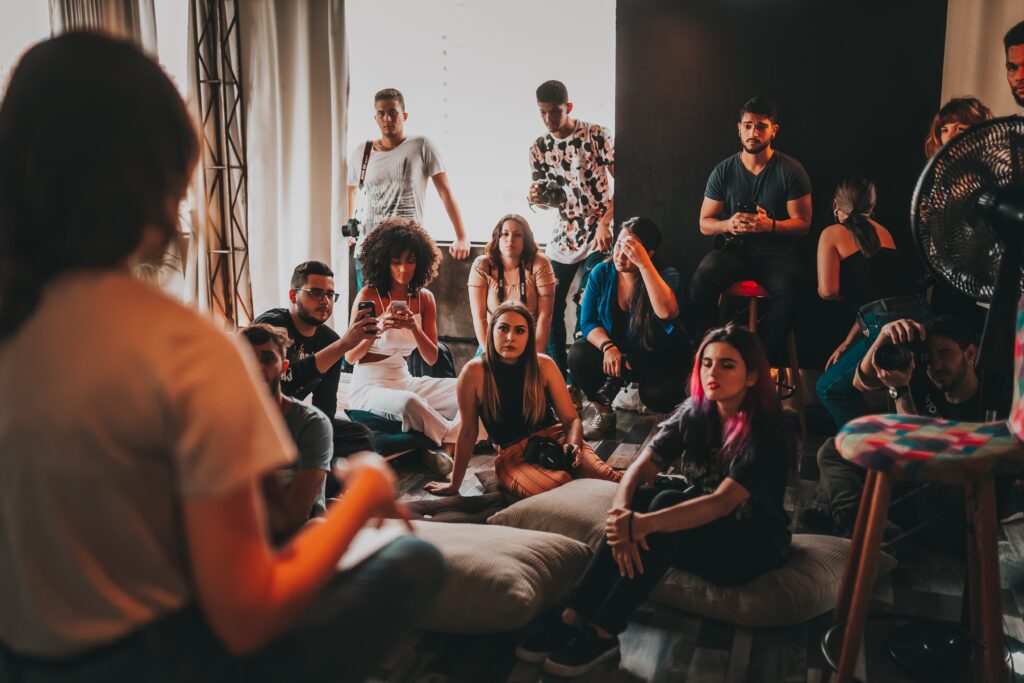
We are a network of likeminded organizations and individuals working tirelessly to reconnect communities with traditional foods.
We are a resource hub, containing publicly accessible stories, information, knowledge, and learning solutions that we’ve collected over the years.
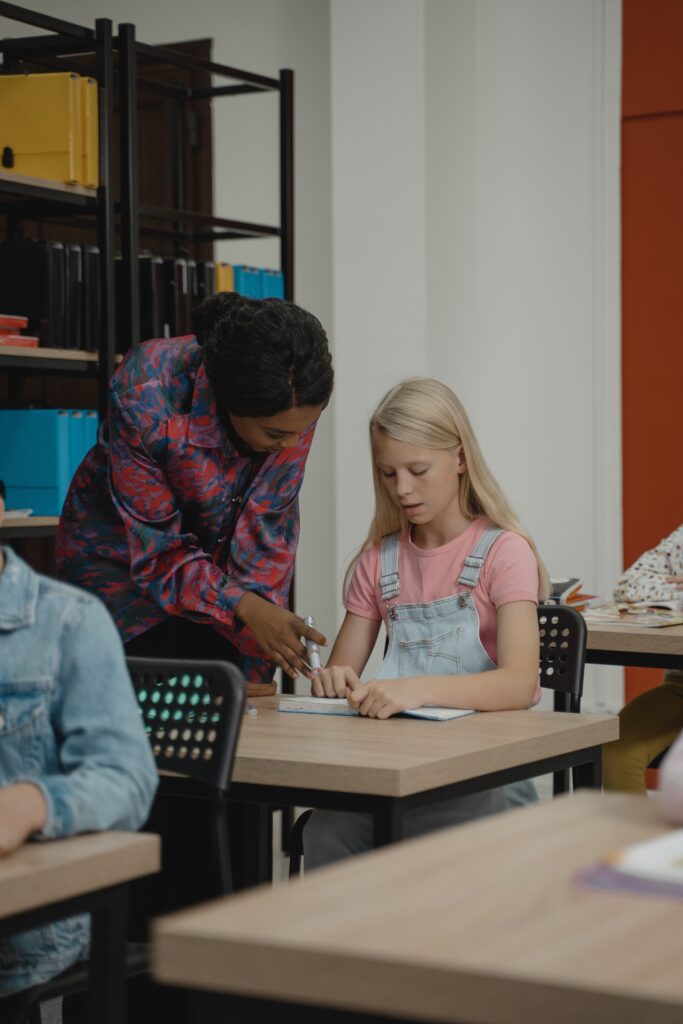

Food as Medicine is a connector of people, helping individuals find solutions and build community as they navigate their personal food journeys.
A brief history of the food apartheid affecting our community members.
In reality, the situation is much more complex than we can share in a concise format, but we believe this is an accurate representation of many of the events leading to where we are today.
Pre 1970s – Communities lose access to traditional foods as food sovereignty is being contested and war creates hunger.
1970s – Community movement and corporations begin butting heads.
1980s – Communities are growing more poor as corporations and certain individuals gain more power and wealth.
1990s – Communities begin to reconnect with traditional foods and begin resisting “American Ideals” while at the same time, communities lose power through mass incarcerations of Black and Brown people.
2000s – With money being scarce, communities begin to value their connection to food again.
2010s – The local food renaissance begins in earnest as more systems and programs sprout up.
2022 – Distribution networks and job markets are heavily disrupted by the pandemic, while people recognize their need and desire for community bonds.
99%
Percentage of NM’s agriculture products imported from out of state
18.4%
New Mexican population live below the poverty line
97%
Percentage of NM’s agricultural products exported out of state
13.1%
New Mexican adult population are diagnosed with diabetes
Meet Our Team
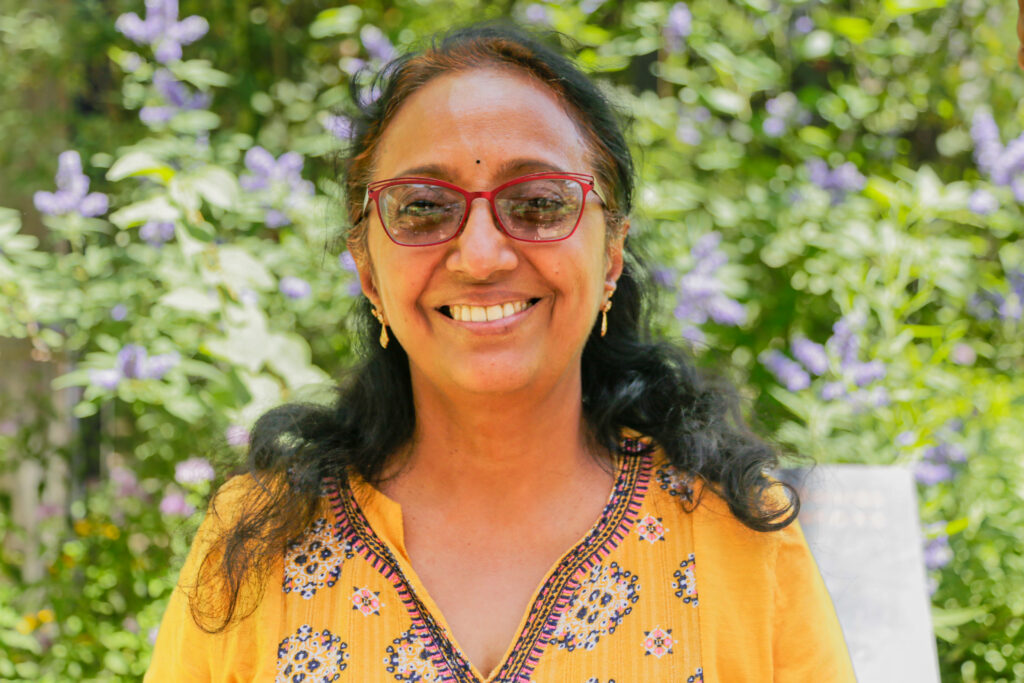
Akila Ravichandran
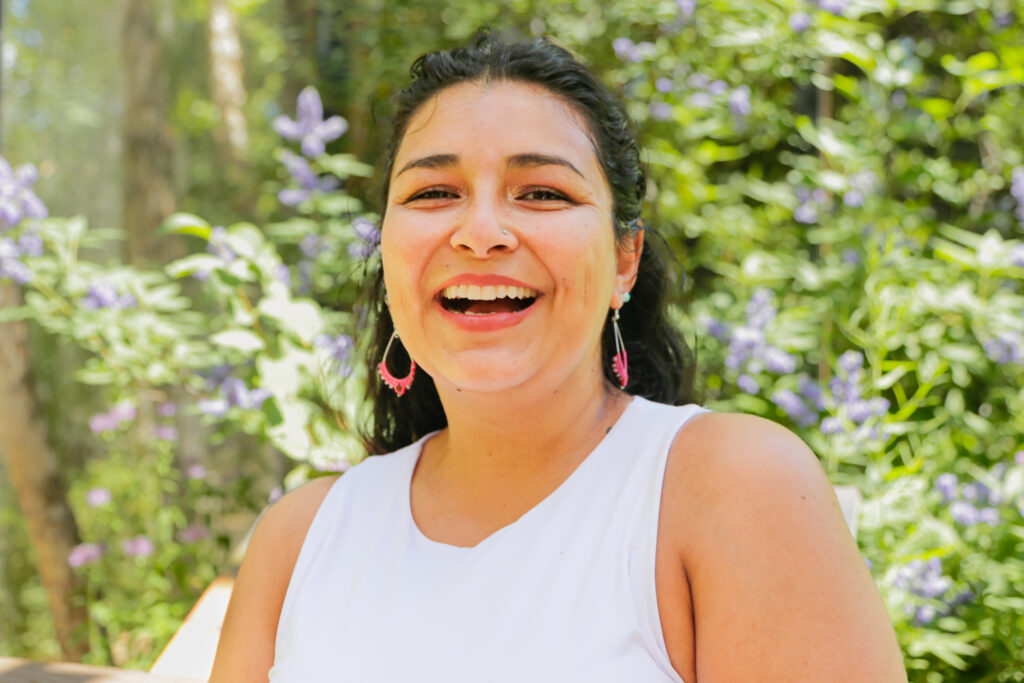
Alicia Chavez
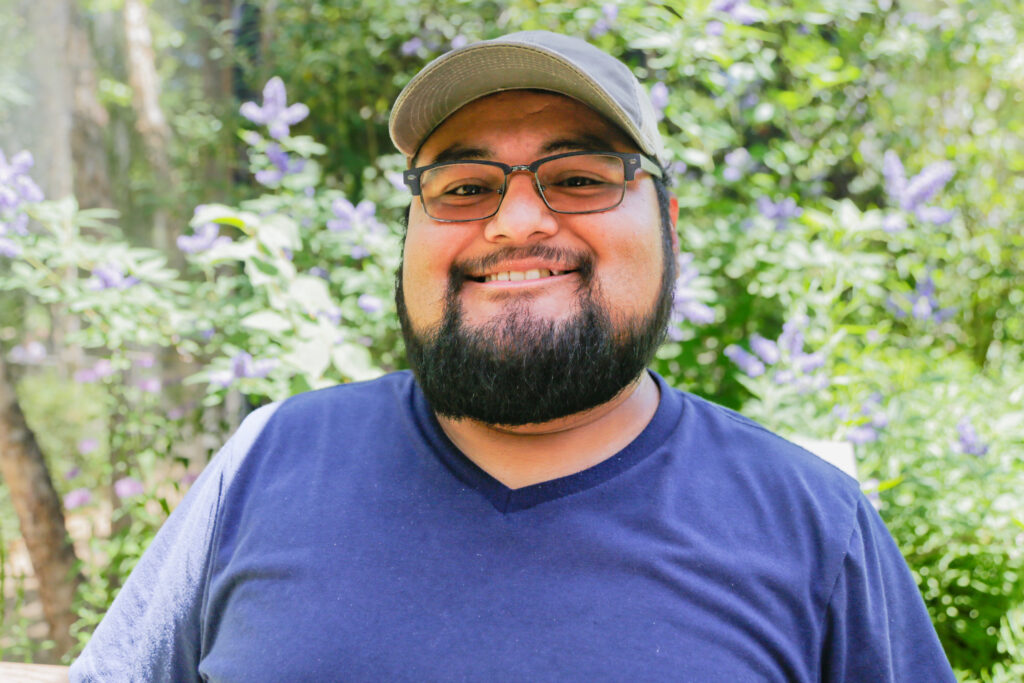
Erick Hernandez
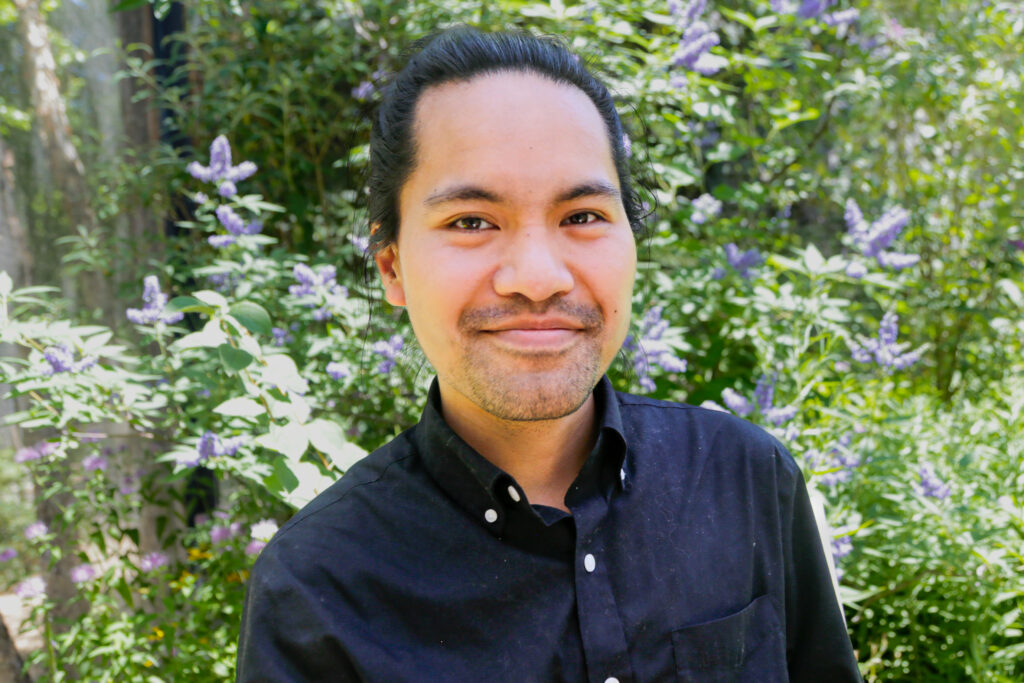
Gabriel Hudson
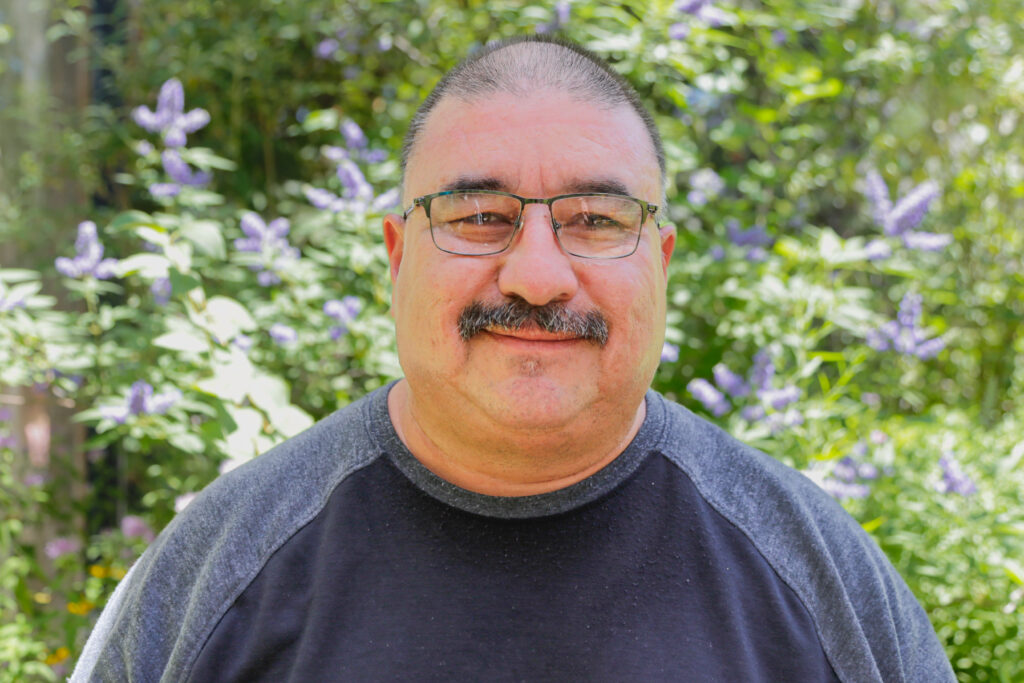
Joe Garcia
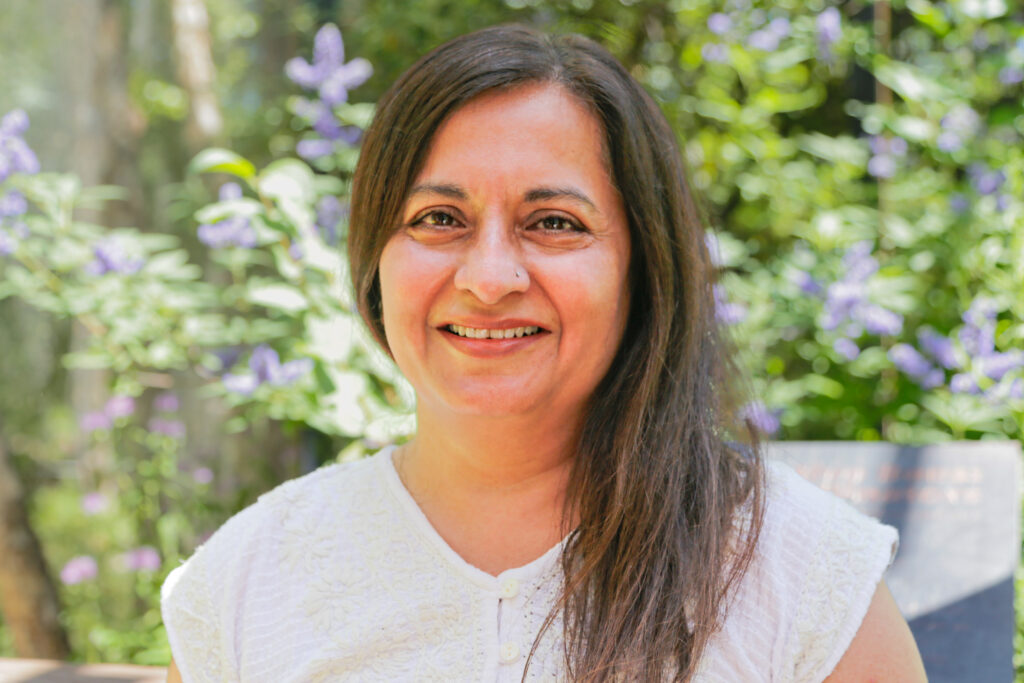
Kiran Katira
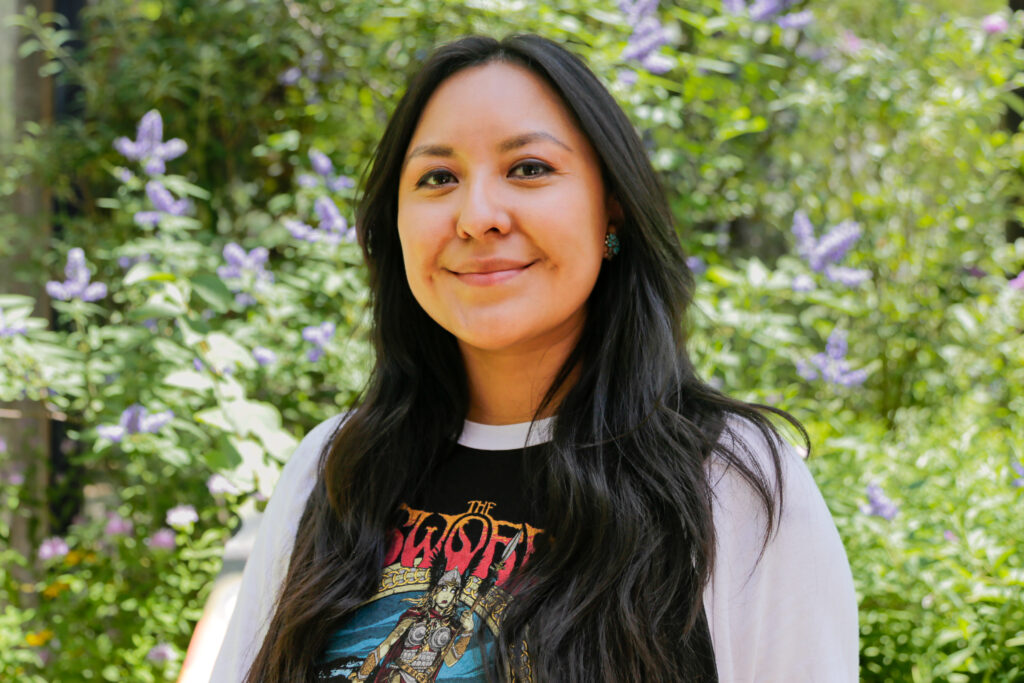
Megan Joe