OUR STORy: RGCDC
“What’s really stayed with me is the realization that you can’t create a paradigm shift—especially in something as deeply rooted as our food system—by working in isolation.” – Javier
Our Origins…
My name is Javier Rojo, and I’m a lifelong resident of Albuquerque’s South Valley and the son of Mexican immigrants. I was one of the first in my family to attend college, earning a degree in economics from the University of New Mexico because I wanted to understand why our communities faced persistent poverty—and, more importantly, what could be done about it. That question has guided my professional journey. I’ve worked as an economist for the New Mexico Tax and Revenue Department, helped launch MediaTex New Mexico, and served as an economist for New Mexico Voices for Children, where I used data and economics to direct resources toward marginalized communities and helped evaluate the state’s first Guaranteed Income Pilot Program. When the opportunity to lead the Rio Grande Community Development Corporation arose, it felt like the perfect way to bring together everything I had learned in the public, private, and nonprofit sectors and apply it to serve the community where I grew up.
What Food as Medicine Means
The Food as Medicine project is about treating food not just as fuel, but as a powerful tool for health and healing. At its core, it connects families, schools, and healthcare providers to the idea that the meals we eat can help prevent and even manage chronic diseases like diabetes and heart disease.
Through this initiative, we’re running educational campaigns, partnering with local farmers to improve access to fresh, nutritious food, and working with healthcare providers so that nutritional counseling becomes part of regular care.
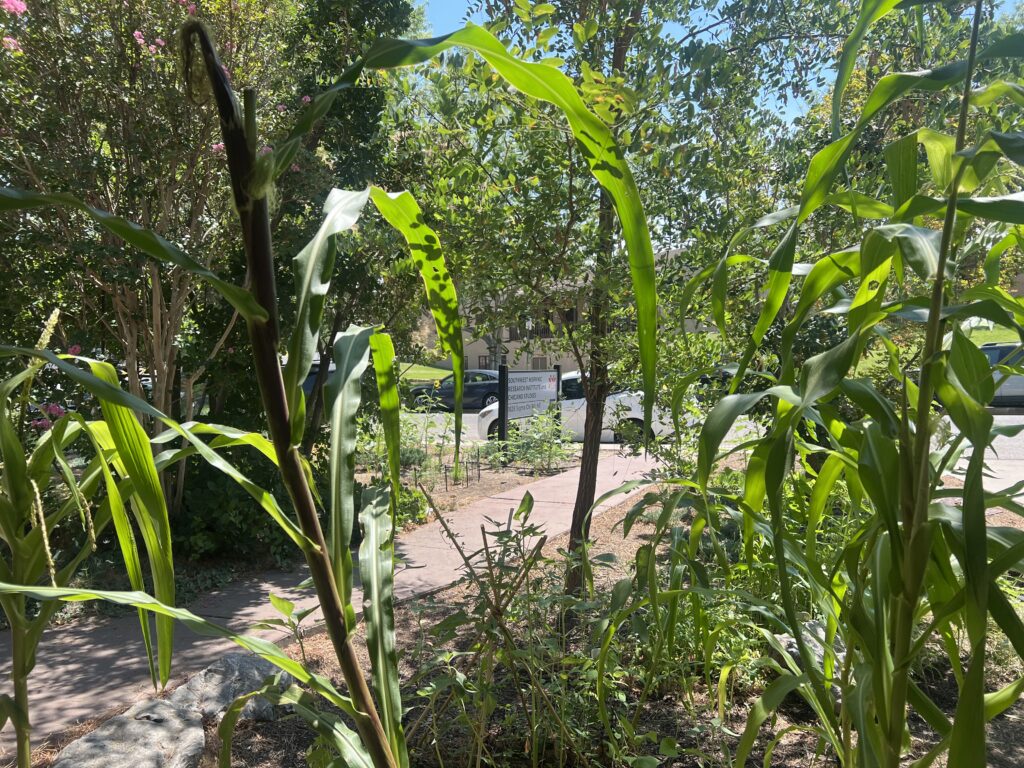
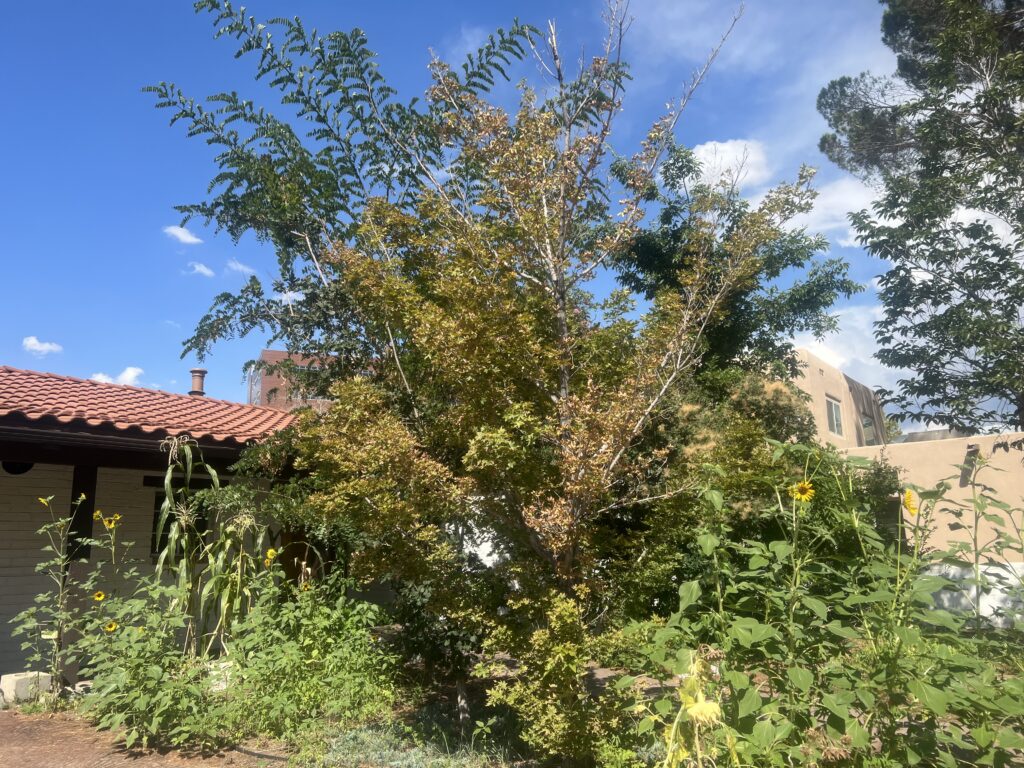
We’re also engaging schools and communities with culturally relevant food education—everything from cooking events with families to curriculum that teaches kids about healthy eating as part of their science or math classes. What I’d want people to feel is hopeful and inspired. This project isn’t just about information; it’s about showing that our food system can be a source of strength and wellness.
Our Everyday Work
On the Food as Medicine side, the rhythms look like partnering with schools to integrate nutrition education into classrooms, supporting whole-school cooking events with families, and coordinating with farmers and distributors to make sure healthy, culturally meaningful food is available and accessible. There are also regular check-ins with partners—teachers, healthcare providers, community leaders—because collaboration is what keeps the work moving.
The routines that ground us include things like weekly staff meetings, bi-weekly check-ins with our Food as Medicine network, monthly reporting and storytelling to track impact, and the quiet but essential work of building trust with the families and entrepreneurs we serve. Those consistent touchpoints—whether it’s a class in the kitchen or a check-in call—are what make the bigger shifts possible.
From idea to now, what’s your journey?
In my work, that idea shows up every day. At RGCDC, we’re building the infrastructure—like the aggregation facility and our partnerships with local farmers and schools—to make healthy food accessible and affordable. Through the Food as Medicine project, we’re also integrating nutrition education into classrooms and healthcare settings, so that food isn’t treated as an afterthought in our approach to health. On a personal level, it resonates with my own family’s experience as immigrants in the South Valley, where food has always been a source of connection and care. For me, Food as Medicine is about honoring that connection and making it available to everyone
What Stays With You About Food as Medicine?
For me, that’s been a shift in perspective. I’ve always believed in data and policy as tools for change, but this work has reminded me that relationships and trust are just as powerful. If we want to build a healthier, more equitable food system, we have to do it with people, not for them. That spirit of collaboration—listening, learning, and moving forward together—is what gives me hope that we can actually transform the way we think about food and health.
What We’re Reaching for
“That vision—of a South Valley that’s vibrant, inclusive, and economically strong—guides us even when the work gets messy or progress feels slow. It reminds us that the daily grind is part of a much bigger story of resilience and hope.”